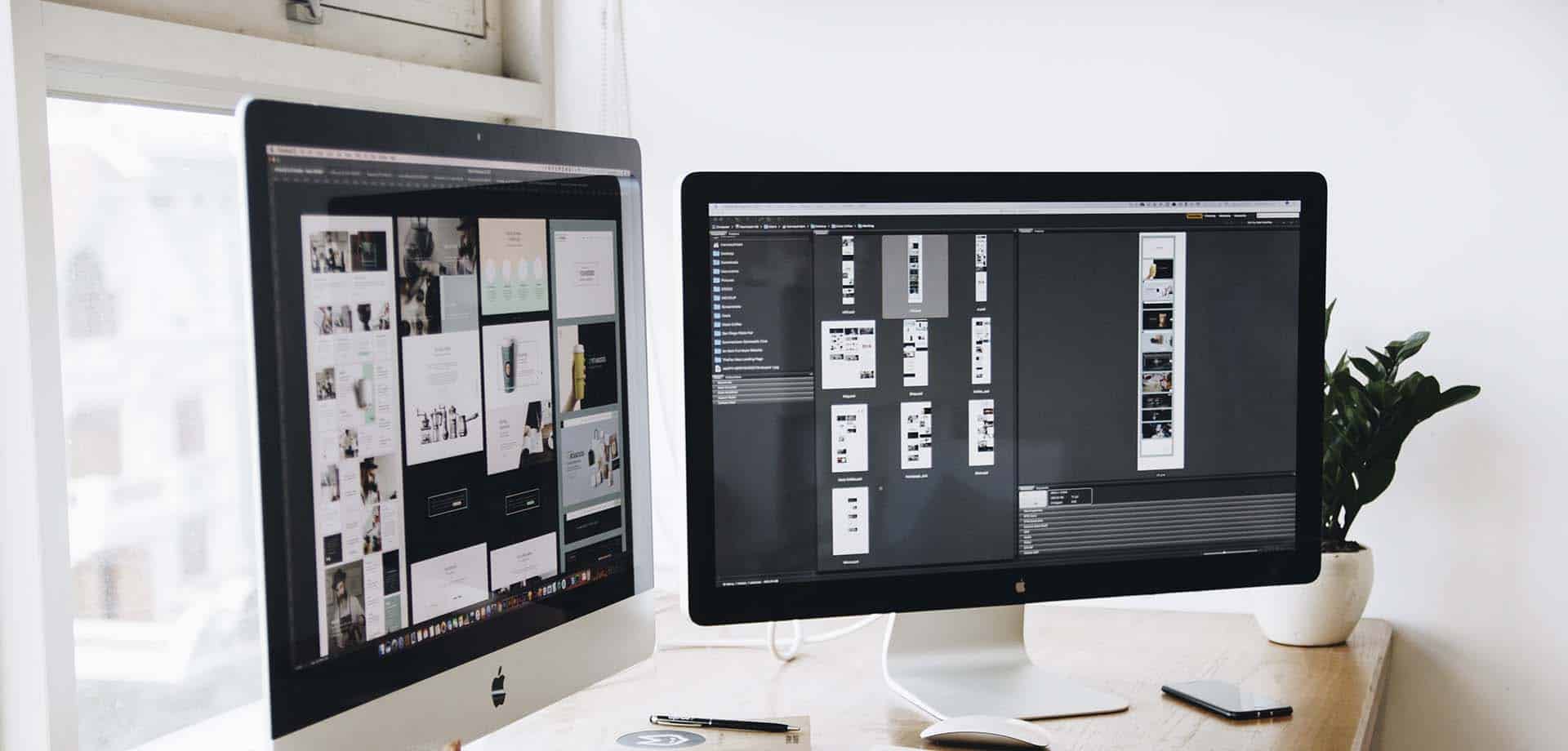

Building a website is much like designing a physical workspace because it is a direct reflection of values, ambitions, and a unique personality. For any visitor who lands on a URL, the structure of the site dictates their entire experience, which in turn shapes whether they feel supported and informed or lost in a sea of data. At its best, a website acts as a digital extension of a team, united as one and working towards the same goal of serving an audience with clarity and passion.
To help navigate this process, here is an outline of the 8 essential pages every website should have. By understanding the reasoning behind each one, it is possible to move away from a robotic list of links and towards a visionary digital presence that truly resonates with people and leaves them feeling completely comfortable with what makes a good website and their journey.

1. A Homepage
The homepage is the most integral part of professional website design and is ultimately the point where a brand story begins. It serves as the hero of the site and is responsible for creating inspired ideas that deliver results. Because it is often the first touchpoint, it must work harder than any other page to establish trust and direction.
A great homepage does not just list services because it provides a services overview that invites people to explore further. For a brochure website, the homepage should act as a digital narrative that guides the user through who a business is and what it does. However, for an ecommerce platform, the homepage focus shifts towards immediate visual engagement with featured products to reduce the journey to purchase.
Regardless of the business type, the homepage should be given the space it deserves to stand alone and be noticed, ensuring that the core message is not lost in digital clutter. It acts as the primary anchor for the user journey and helps people find their way to deeper, more specific sections of the site.
Essential elements for a Homepage
A clear and compelling hero strapline that defines the mission.
Intuitive navigation menus that make finding information effortless.
Direct calls to action that guide the user to the next step.

2. An About Us Page
What people see should be what they get, and valuing the human element is vital in digital spaces. The About Us page is the foundation of working relationships, which is built on honesty, trust, and transparency.
This is not just a place for a dry history lesson but a space to showcase the human side of a business and move away from an exclusive or cold corporate feel.
For a membership website, the About Us page is crucial for building a sense of community. Prospective members need to feel that core values align with their own before they commit to joining. By sharing a journey and being humbled by success, a business earns the respect and friendship of its clients.
In this section, being upfront and transparent about identity is key. It is a wonderful opportunity to show courageous creators who are invested in the future and the people they serve.
Essential elements for an About Us page
A company mission statement and core values.
Authentic photographs and bios of team members.
A narrative of company history and future ambitions

3. Dedicated Service and Product Pages
While an overview is helpful, individual landing pages for each service or product category are essential for a professional digital marketing strategy. These pages prove a commitment to excellence and detail.
For service based businesses, these pages provide the perfect structure for internal linking, which helps users and search engines navigate expertise with ease. If an ecommerce site is being used, these pages transform into specific product listings where technical details and high quality imagery take centre stage.
Each page can be optimised for specific terms, helping those who see new possibilities in every project find the right information easily.
By providing insightful and thoughtful content on these pages, a business demonstrates that it is driven by experienced success and backs its partners fully.
Essential elements for Service and Product pages
Detailed descriptions of the specific service or product offered.
High resolution imagery or video demonstrations that show quality.
Benefit driven copy that explains how a specific problem is solved.

4. Testimonials and Case Studies
Success is shared, and celebrating wins is a vital part of growth. An outstanding brand is proud of its work and the quality of service it provides, and there is no better way to show this than through social proof.
Authentic testimonials build influence and trust by letting others speak on behalf of a brand, which is often far more powerful than any self promotion.
Understanding the power of reviews and why your business needs them now more than ever is essential when planning this section. One of the most effective ways to display this information is to embed review widgets that pull data directly from a Google Business Profile.
This approach ensures the feedback is verified and current, which significantly boosts credibility. Furthermore, having live, keyword rich reviews updated on the site is incredibly good for SEO and can help your business grow.
High quality case studies and live reviews prove that impactful creative design and strategies deliver consistent results over time.
Essential elements for Testimonials and Case Studies
Verified reviews pulled directly from a Google Business Profile.
Detailed case studies outlining the challenge and the final result.
Tangible data and statistics to prove the effectiveness of the work.

5. A Contact Page
Communication is the foundation of every project, and keeping the door wide open is essential. A contact page should be the most approachable and friendly part of a site because it represents the moment a visitor decides to reach out.
Providing a physical address, email, and phone number shows authenticity and makes a business easy to reach when it matters most.
For businesses with a physical presence, dedicated location pages are essential. These help users feel that a service is personal to their specific community and improve visibility in local searches. A clear call to action here is what turns an interested visitor into a collaborative partner.
Being always upfront means making it as easy as possible for a user to start a conversation without having to hunt for details.
Essential elements for a Contact page
A simple and functional enquiry form with minimal fields.
Direct email addresses and clickable phone numbers for easy access.
A physical office address or an embedded interactive map.

6. A Blog Hub
Creativity fuels growth and dedication drives results, and sharing learned knowledge is beneficial for everyone. A blog is where a brand showcases that it is one step ahead and fit for the future.
It allows for insightful sharing of fresh and innovative ideas that inspire an audience and keep them coming back for more.
For membership websites, a blog can serve as a restricted content hub that provides exclusive value to subscribers. Regularly updated content encourages users to return while fostering a genuine long term relationship.
A blog shows an investment in staying current with the ever changing digital and creative landscapes, and this is why businesses choose WordPress as their CMS to manage their content effectively.
Essential elements for a Blog or Insights hub
A searchable archive of articles categorised by relevant topics.
High quality featured images that draw the reader in.
An email newsletter sign up form to build a community.

7. A Work Portfolio
While case studies provide the data, a portfolio page provides the visual inspiration that many users need to see before they feel comfortable committing to a project. This page acts as a digital gallery that celebrates individuality and shows the range of what a business can achieve.
It is particularly important for creative or trade businesses where the aesthetic quality of the work is a primary selling point.
For brochure websites, a portfolio offers a chance to display diversity in project types and scales. In an ecommerce context, this might translate to a lookbook or a gallery of user generated content where products are shown in real life settings.
By showcasing a broad spectrum of successful outcomes, a brand proves that it is versatile and capable of meeting various challenges. This visual evidence ensures that branding and identity remain consistent and high quality at every consumer touch point.
Essential elements for Niche Specific pages
High resolution image galleries showcasing various projects.
Short descriptions of the brief and the creative approach taken.
Filtering options to help users find work relevant to their needs.
8. Technical Pillars and Legal Compliance
A professional website must be mobile friendly and scale across every channel to ensure a great experience for everyone. This includes the often overlooked but necessary pages for a website such as the Privacy Policy and Cookies Policy.
These pages ensure honesty and transparency regarding data, which is a key part of being an outstanding partner.
Terms and Conditions protect both a business and its clients, reflecting a commitment to integrity. Understanding how website design affects user experience ensures that visitors can navigate a site with total confidence.
Furthermore, an organised sitemap ensures that both users and search engines can find essential website pages without any frustration. By ensuring every page has a clear purpose through a proven web design process, it is possible to create a bespoke experience that celebrates individuality and a passion for growth.
Essential elements for Technical and Legal pages
A clear Privacy Policy that explains how user data is handled.
Comprehensive Terms and Conditions for services or products.
An organised sitemap for search engines and user navigation.
Empowering Your Brand Through Structure
Determining exactly what pages a website should have is a vital step in creating a digital presence that is both functional and influential. By moving beyond a basic list of links and focusing on a strategic user journey, a business can ensure that every visitor feels supported from the moment they land on the homepage to the moment they decide to reach out.
A well-structured site acts as a silent partner that works around the clock to provide information, build trust, and showcase visionary thinking. Whether it is a brochure site designed to tell a story or an ecommerce platform built for conversion, the layout should always remain authentic and human.
When the right balance of essential pages and technical pillars is achieved, the result is a professional platform that is truly fit for the future.
By following the principles outlined in this guide, it is possible to create a bespoke experience that serves the audience and reflects a commitment to quality.
Ensuring that a site is mobile friendly and scales across all devices will guarantee that the brand identity remains consistent and approachable at every single touchpoint.